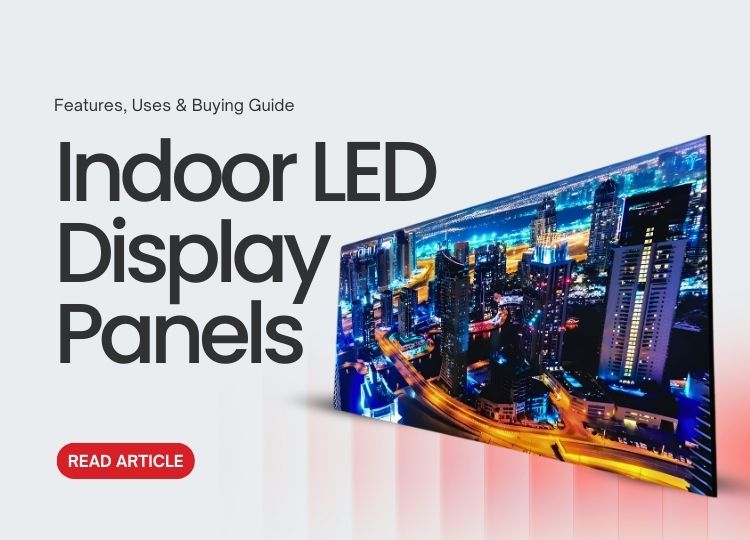
Indoor LED display panels help businesses show bright and dynamic digital content inside buildings. You will see them in retail stores, corporate offices, malls, airports, and showrooms.
Many companies now replace traditional signage with LED displays. These screens deliver bright visuals, seamless display surfaces, and flexible sizes.
In this guide, we explain what indoor LED display panels are, where businesses use them, and what you should consider before buying one.

What Are Indoor LED Display Panels?
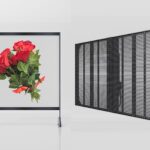
Indoor LED display panels are digital screens made from multiple LED modules. These modules join together to create one large display.
Manufacturers design these displays for indoor spaces where viewers stand closer to the screen. Because of this, they provide high resolution and sharp visuals.
Unlike LCD screens, LED panels use a modular design. This design allows businesses to build screens in many sizes.
Key features of indoor LED displays
- High resolution for close viewing
- Seamless display without borders
- Flexible screen sizes
- Energy-efficient technology
- Long operating life
Businesses use these displays for advertising, brand communication, and digital signage.
Benefits of Indoor LED Display Panels
Indoor LED displays offer several advantages compared with traditional display systems.
- Seamless Large Displays: LED panels connect without visible gaps. This design creates one continuous video wall.
- Bright and Vibrant Visuals: LED technology produces clear and vibrant colors. Content remains visible even in bright indoor lighting.
- Flexible Screen Sizes: Businesses can combine LED panels to create custom display sizes. This flexibility helps designers fit screens into many environments.
- Long Lifespan: Most indoor LED displays last between 80,000 and 100,000 hours. This long lifespan makes them a reliable investment.
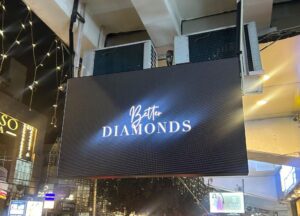
Common Applications of Indoor LED Displays
Indoor LED displays work well in many industries.
Retail Stores
Retail brands use LED displays to promote products, offers, and marketing campaigns. Bright screens help attract customer attention.
Corporate Offices
Companies install LED displays in reception areas, meeting rooms, and experience centers. These screens improve communication and branding.
Shopping Malls
Shopping malls use LED screens for advertising, promotions, and information displays.
Airports and Public Spaces
Airports use LED displays to show information, announcements, and advertising content.
Key Factors to Consider Before Buying
You should review several specifications before choosing an indoor LED display.
Pixel Pitch
Pixel pitch describes the distance between two LED pixels.
A smaller pixel pitch gives better image clarity for close viewing.
Examples:
- P1.2 – very high resolution
- P2.5 – common for retail spaces
- P4 – suitable for larger areas
Brightness
Indoor LED displays usually provide 600 to 1500 nits brightness. This range works well in most indoor environments.
Refresh Rate
Choose a display with a refresh rate of 3840Hz or higher. A higher refresh rate prevents flickering and improves video quality.
Indoor LED Displays vs LCD Video Walls
Businesses often compare LED displays with LCD video walls.
| Feature | Indoor LED Display | LCD Video Wall |
| Seamless display | Yes | No |
| Brightness | High | Medium |
| Scalability | Flexible | Limited |
| Lifespan | Longer | Moderate |
LED displays create seamless video walls and support flexible screen sizes.
Why Choose VVT Digital for Indoor LED Displays
VVT Digital provides custom indoor LED display solutions for businesses across India.
Our services include:
- LED display consultation
- Custom display design
- Manufacturing and installation
- Nationwide deployment
- After-sales support
We help brands build effective digital signage experiences with advanced LED technology.
You can also read our guide on: Vertical Digital Signage Displays