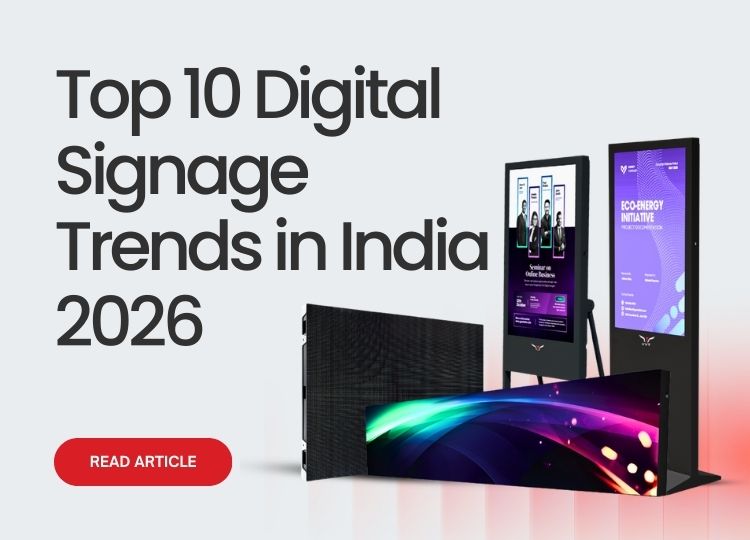
Digital signage is growing fast in India. The digital signage trends India 2026 show how retail stores, malls, airports, and metro stations now use digital screens to communicate with customers. Brands prefer these screens because they attract attention and deliver dynamic content.
The digital signage trends in India 2026 show a shift toward smarter and data-driven displays. AI, programmatic DOOH advertising, and energy-efficient LED screens are shaping the industry.
This guide explains the top digital signage trends across India in 2026 and how they impact business ROI.
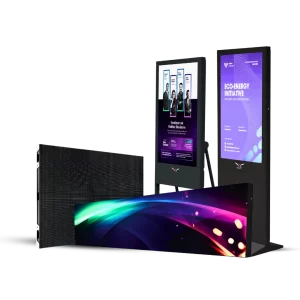
Why Digital Signage Is Growing in India
India’s retail and advertising sectors are expanding. At the same time, cities are investing in smart infrastructure. These changes increase the demand for digital screens.
Businesses prefer digital signage because it offers:
-
Real-time content updates
-
High visibility in crowded areas
-
Better audience engagement
-
Measurable advertising performance
Retail brands and public spaces now rely on digital displays to deliver messages quickly and clearly.
Top 10 Digital Signage Trends in India 2026
1. AI-Powered Personalised Displays
AI is changing how digital signage works. Screens can now display content based on time, weather, or audience behaviour.
For example, a retail screen can show breakfast deals in the morning and dinner promotions in the evening.
Benefits
-
More relevant advertising
-
Better customer engagement
-
Higher conversion rates
2. Programmatic DOOH Advertising
Programmatic DOOH allows brands to buy digital screen advertising automatically. Advertisers can change campaigns in real time.
Brands no longer need long booking processes. They can launch campaigns quickly across many locations.
Benefits
-
Faster campaign execution
-
Better targeting
-
Improved ad performance
3. Smart City Digital Displays
India’s smart city projects are increasing the use of digital information displays. These screens show public information and advertising.
Many cities now install digital kiosks and LED boards in busy locations.
Examples
-
Transport hubs
-
Metro stations
-
Public squares
Benefits
-
Massive audience reach
-
Continuous brand visibility
4. Retail Media Networks
Retail stores now use digital signage to promote products inside the store. These networks help brands advertise directly at the point of purchase.
For example, electronics stores use digital displays to highlight offers and product features.
Benefits
-
Higher in-store engagement
-
Better product discovery
-
Increased sales
5. Interactive Digital Signage
Interactive screens are becoming popular in malls, airports, and showrooms. These displays allow users to touch the screen or scan QR codes.
Customers can explore product information, menus, or store locations.
Benefits
-
Improved customer experience
-
Higher engagement time
-
Better information delivery
6. 3D LED Advertising Displays
3D LED billboards create strong visual impact. These displays use special design techniques to produce depth effects.
Large cities in India are starting to adopt these displays in premium advertising zones.
Benefits
-
High attention levels
-
Strong brand recall
-
Social media visibility
7. Energy-Efficient LED Displays
Sustainability is becoming important for businesses. Many companies now prefer energy-efficient LED screens.
Modern LED technology consumes less power and lasts longer.
Benefits
-
Lower operating costs
-
Reduced energy consumption
-
Long display lifespan
8. Data-Driven Audience Analytics
Digital signage systems now include sensors and analytics tools. These tools help businesses understand how audiences interact with screens.
Companies can track:
-
Viewer impressions
-
Dwell time
-
Engagement levels
Benefits
-
Accurate campaign measurement
-
Data-driven advertising decisions
9. Mobile and QR Code Integration
Digital signage now works together with mobile marketing. Many displays include QR codes or mobile links.
Customers can scan a code to access offers, menus, or websites.
Benefits
-
Direct customer interaction
-
Easy lead generation
-
Offline-to-online marketing
10. Expansion into Tier-2 Cities
Digital signage adoption is no longer limited to metro cities. Businesses in smaller cities are also investing in digital displays.
Growing retail infrastructure and malls are driving this trend.
Benefits
-
Access to new markets
-
Wider brand reach
-
Lower advertising competition
Digital Signage Trends vs ROI Impact
| Digital Signage Trend | ROI Impact |
|---|---|
| AI personalised displays | Higher engagement and relevance |
| Programmatic DOOH advertising | Better ad optimisation |
| Smart city digital displays | Large audience reach |
| Retail media networks | Increased in-store sales |
| Interactive digital signage | Longer viewer engagement |
| 3D LED displays | Strong brand recall |
| Energy-efficient LED screens | Lower operating costs |
| Audience analytics | Better campaign measurement |
| Mobile integration | Higher conversion rates |
| Tier-2 city expansion | New market opportunities |
The Future of Digital Signage in India
The future of digital signage in India looks strong. Businesses are investing in smarter display networks and data-driven advertising systems.
AI, automation, and sustainable technology will shape the next phase of digital signage growth.
Companies that adopt these technologies early will gain better customer engagement and stronger brand visibility.
FAQ
What is digital signage?
Digital signage uses LED or LCD screens to display advertisements, announcements, or information in public spaces.
What are the major digital signage trends in India 2026?
The main trends include AI-powered displays, programmatic DOOH advertising, smart city signage, and energy-efficient LED screens.
Why are businesses investing in digital signage?
Businesses use digital signage because it attracts attention, improves engagement, and allows real-time content updates.
Where is digital signage used in India?
Digital signage is used in retail stores, malls, airports, metro stations, restaurants, and corporate offices.